What really makes me most excited about branding is the multilaterality of this topic. Brand is so much more than just a product that you can buy. Brands are relevant to businesses, services, it can be applied to ideas, places or even famous people. In our consumer society we are constantly facing decisions every single day when we buy one product over an other. These decision say something about us and makes us part of a community. What factors determine our choices when we shop is a very complex subject but as part of this consumer society it is key to understand what triggers the customer’s shopping habits so we can design successfully for today’s consumers.
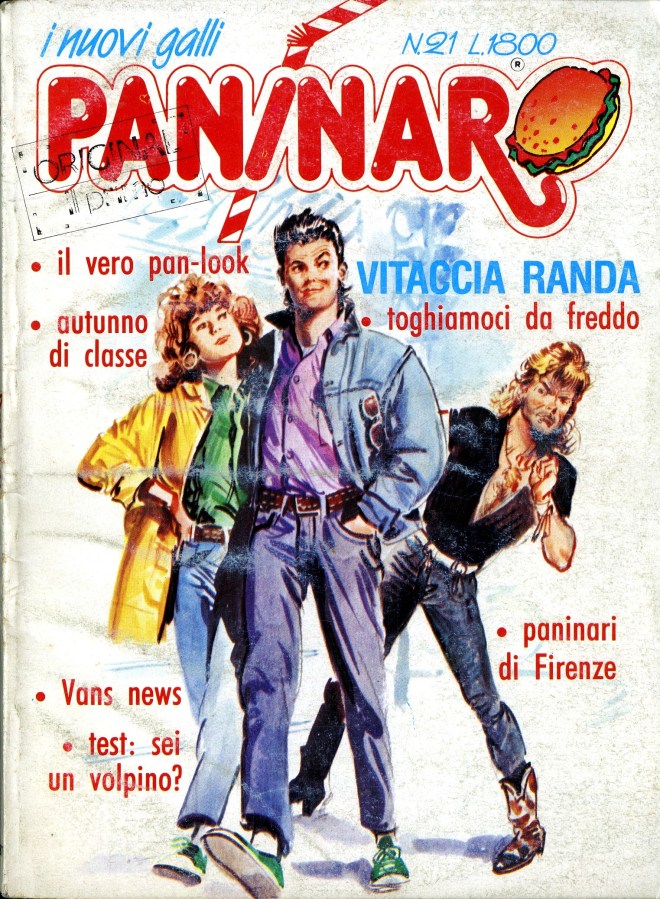
In his book Michel Maffesoli explores how globalisation transformed the bases of our society. He believes that our traditional communities shifted to emotional communities and with the rise of individualism we are looking for groups where people share the same lifestyle choices. Mafessoli gave two examples to what he calls ‘Neo tribalism’: Punk community and Paninaro community. The last which was a Milanese youth group in the 80s in America. They believed in a consumerist and globalised American life style. This belief formed how they were dressed, what type of food they consumed and even their choice of vehicle.
Brand tribes play a very important role in our society. Firstly it gives opportunity to share experiences, beliefs with each other so it gives individuals the sense of belonging. It also has self constructive and functional benefits. It is very interesting to see that in the past, we had more traditional communities like our local communities, families etc. These days our consumer society created these new types of communities where in order to belong somewhere you need to buy certain things. So what basically was free in the past (the feeling of belonging) has a price tag now. You used to born into communities but now you just buy yourself into one. Despite the negative side of these changes consumption plays a powerful tool providing a new way of creating personal, social and political identities.
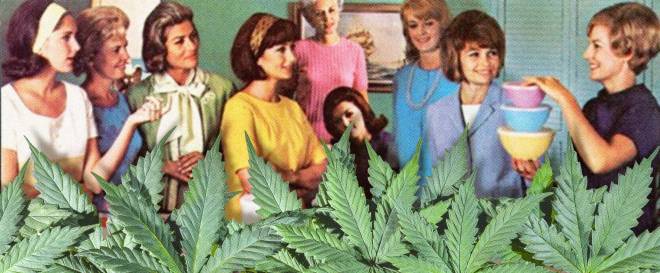
One of my favourite example for brand tribes was Tupperware. A very interesting way how a plastic container company created community with their concept of ‘Tupperware parties’ that made a mark on the 50s in America. Unfortunately in our profit oriented society manipulation of the brand’s image sometimes becomes more important than what the brand really represents. The question is how strongly connected these people are if the only thing they have in common is that they believe in the same bullshit that a company feeds them.
We finished our session with an interesting workshop. We were given an item, mine was the iconic Christian Louboutin black heels with red sole. We had to write a description of the person who might own that item and to further visualise this person we had to draw a picture of this member of the Louboutin tribe.
 Home
Home 